
Exploring Africa's Big 5 and Uganda's Big 7 with Itinerary Tips for the Ultimate Wildlife Adventure
- Ivan Muhire
- Mar 13
- 4 min read
Africa’s wildlife is legendary, drawing travelers from around the world eager to witness some of the planet’s most iconic animals in their natural habitats. Among the continent’s many wonders, the Big 5 stand out as symbols of Africa’s rich biodiversity. Meanwhile, Uganda offers a unique twist with its Big 7, which includes the famous Mountain Gorilla and Chimpanzee. This post explores these incredible animals, their habitats, and provides a detailed itinerary for a trip to Tanzania and Uganda, perfect for wildlife enthusiasts seeking an unforgettable adventure.
The Big 5 Wildlife in Africa
Originally, the term "Big 5" described the five most challenging animals to hunt on foot in Africa. Nowadays, it signifies the leading wildlife attractions for those going on safaris. These animals include:
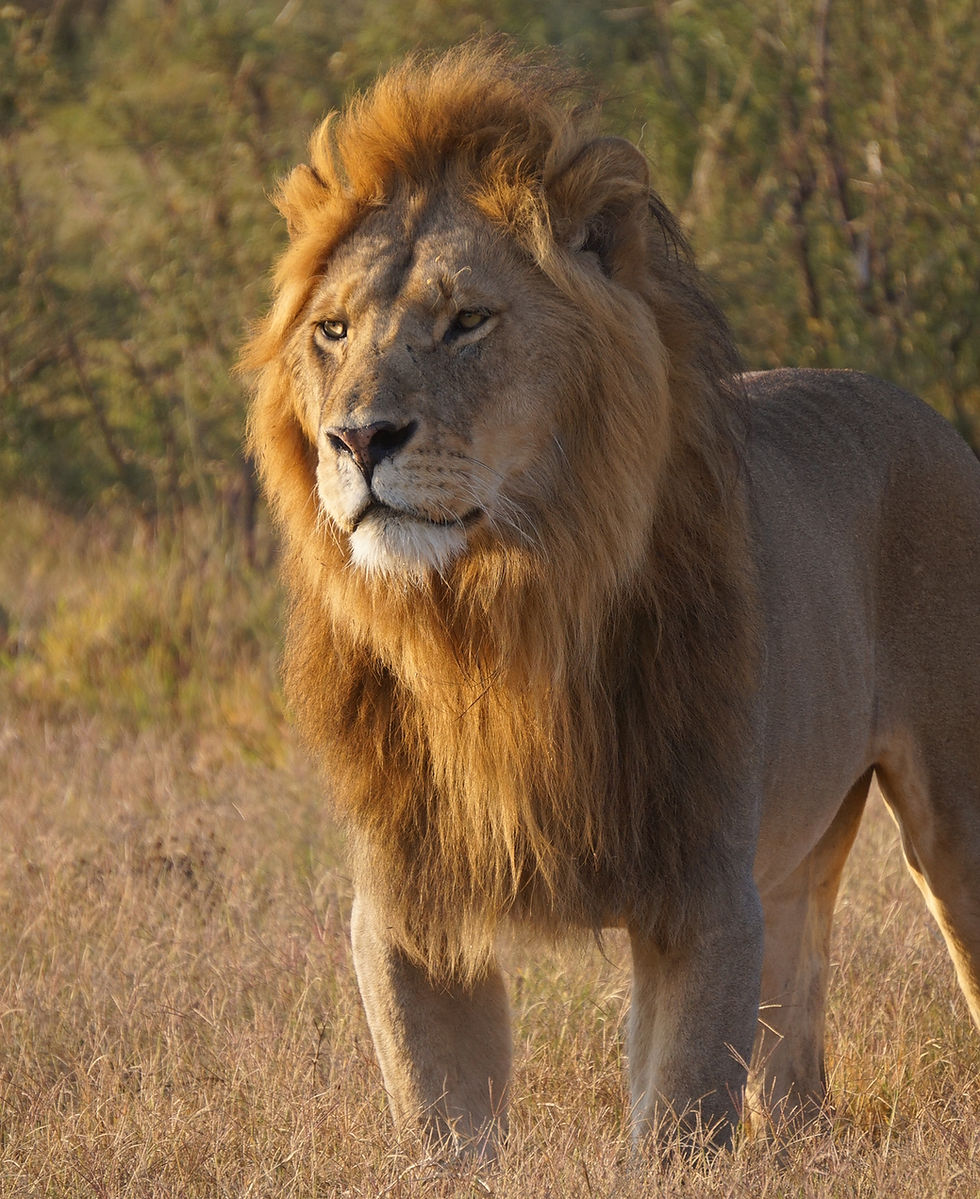
Lion
Known as the "king of the jungle," lions are powerful predators found mainly in savannahs and grasslands. They live in prides and are most active during dawn and dusk.
Elephant
African elephants are the largest land animals, recognized for their massive size, tusks, and trunks. They inhabit savannahs, forests, and deserts, often traveling in herds.
Buffalo
The African buffalo is a robust and unpredictable animal, often found in wetlands, grasslands, and forests. They live in large herds and are known for their strength and defensive behavior.
Leopard
Leopards are elusive and solitary big cats, known for their spotted coats and climbing skills. They prefer dense bush and forested areas where they can stalk prey stealthily.
Rhinoceros
Both black and white rhinos are part of the Big 5. They are large, thick-skinned herbivores found in savannahs and grasslands. Conservation efforts are critical due to poaching threats.
Each of these animals plays a vital role in their ecosystems and offers a thrilling sight for visitors on safari.
Uganda’s Big 7: Adding Mountain Gorillas and Chimpanzees
Uganda’s wildlife experience expands beyond the Big 5 with two extraordinary primates, making up the Big 7:
Mountain Gorilla
Found in the misty forests of Bwindi Impenetrable National Park and Mgahinga Gorilla National Park, mountain gorillas are gentle giants. Trekking to see them requires permits and guides, but the close encounter is unforgettable.
Chimpanzee
Chimpanzees live in several Ugandan forests, including Kibale National Park. Tracking these intelligent primates involves guided walks through dense forest trails, offering a glimpse into their social behaviors.
The Big 7 highlights Uganda’s unique position as a top destination for primate trekking, combining classic safari animals with rare and endangered species.
Tanzania Itinerary for Spotting the Big 5
Tanzania is a premier safari destination with several national parks where the Big 5 can be seen. Here’s a suggested itinerary for a 7-day trip:
Day 1-2: Serengeti National Park
Start your adventure in the Serengeti, famous for its vast plains and the Great Migration. Expect to see lions, elephants, buffalo, leopards, and rhinos here. Early morning and late afternoon game drives increase your chances of spotting predators.
Day 3: Serengeti National Park Balloon Safari
Early morning hot air balloon launch against a beautiful dawn sky.
Captivating views of the Serengeti with wildlife like elephants, giraffes, and lions.
Breathtaking sunrise experienced from above, showcasing the park's beauty.
Celebratory champagne toast and breakfast with fellow travelers post-landing.
Day 4: Ngorongoro Crater
This UNESCO World Heritage Site is a natural enclosure teeming with wildlife. The crater floor hosts all Big 5 animals, and the scenery is breathtaking. Spend the day exploring and photographing wildlife.
Day 4-5: Tarangire National Park
Known for its large elephant herds and baobab trees, Tarangire offers a quieter safari experience. Buffalo and leopards are common here, and the park’s diverse habitats support a wide range of species.
This itinerary balances popular parks with varied landscapes, maximizing your chances to see the Big 5 in different settings.
Trekking for Gorillas and Chimpanzees in Uganda
Uganda’s primate trekking is a highlight for many travelers. Here’s what to expect:
Mountain Gorilla Trekking
Location: Bwindi Impenetrable National Park or Mgahinga Gorilla National Park
Duration: 2-6 hours of trekking depending on gorilla location
Experience: Guided by expert trackers, you hike through dense forest to spend one hour observing a gorilla family. The experience is intimate and deeply moving.
Chimpanzee Trekking
Location: Kibale National Park
Duration: 2-5 hours of trekking
Experience: Chimpanzees are active and vocal, making the trek lively. Guides help locate groups and explain chimp behavior, enriching the encounter.
Both treks require permits booked well in advance due to limited daily visitor numbers. Physical fitness is recommended as trails can be steep and muddy.
Tips for Booking Your African Wildlife Adventure
Booking a trip to see Africa’s Big 5 and Uganda’s Big 7 involves careful planning. Here are some tips:
Book permits early for gorilla and chimpanzee trekking, as they sell out quickly.
Choose reputable tour operators who prioritize conservation and ethical wildlife viewing.
Plan your trip during dry seasons (June to October and December to February) for better wildlife sightings and easier trekking.
Pack appropriate gear including sturdy hiking boots, lightweight clothing, insect repellent, and binoculars.
Consider travel insurance that covers medical evacuation and trip cancellations.
Combine safari and primate trekking for a diverse wildlife experience.
For more detailed planning and personalized itineraries, visit our website here.


Comments